Solutions · Stroke

Stroke

Novel neurotechnological approaches to potentialize motor recovery after stroke.

The programme

The brain after
an internal capsule stroke.

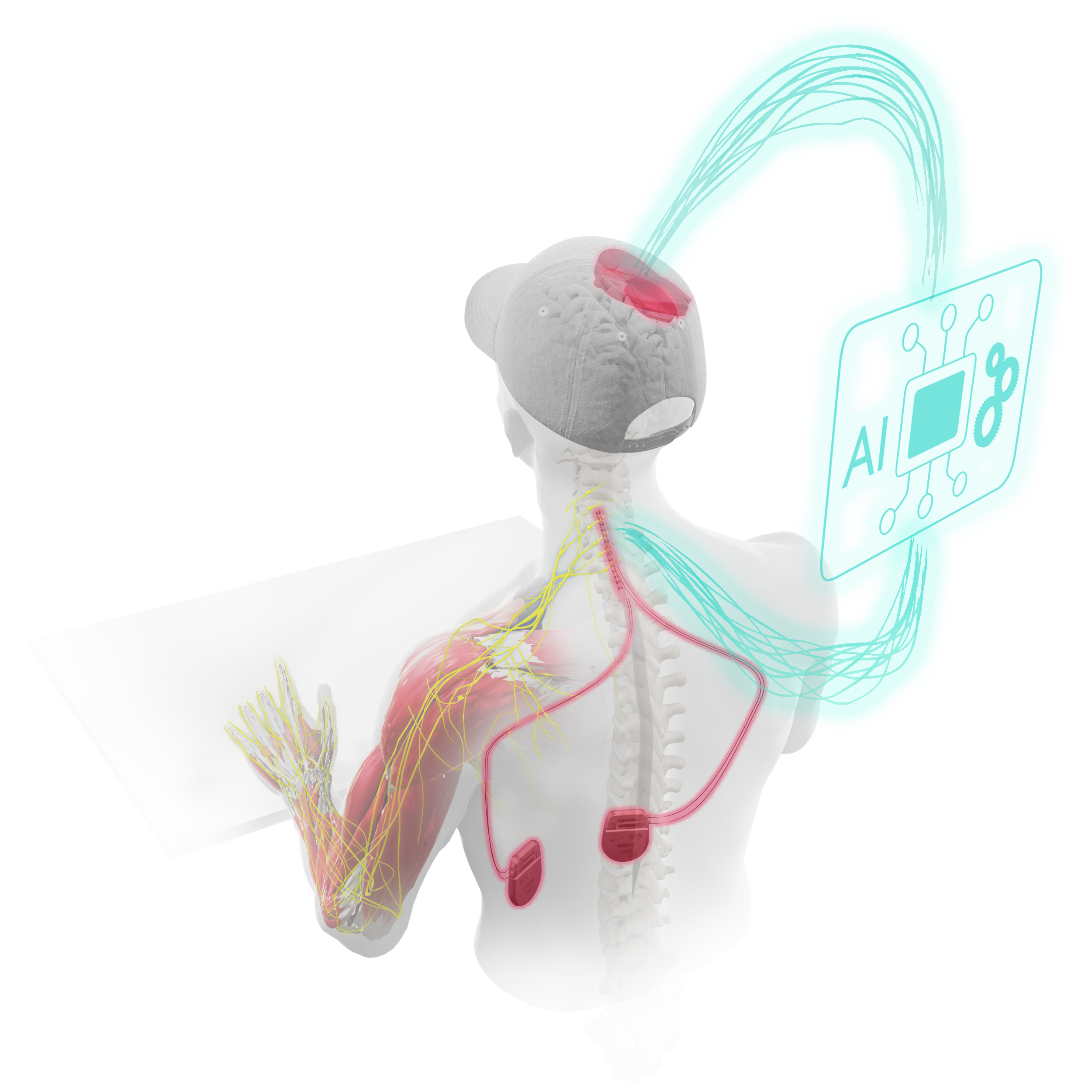
Cortical recordings follow that evolution. From there, the programme develops neurotechnologies meant to potentialize motor recovery.

2017

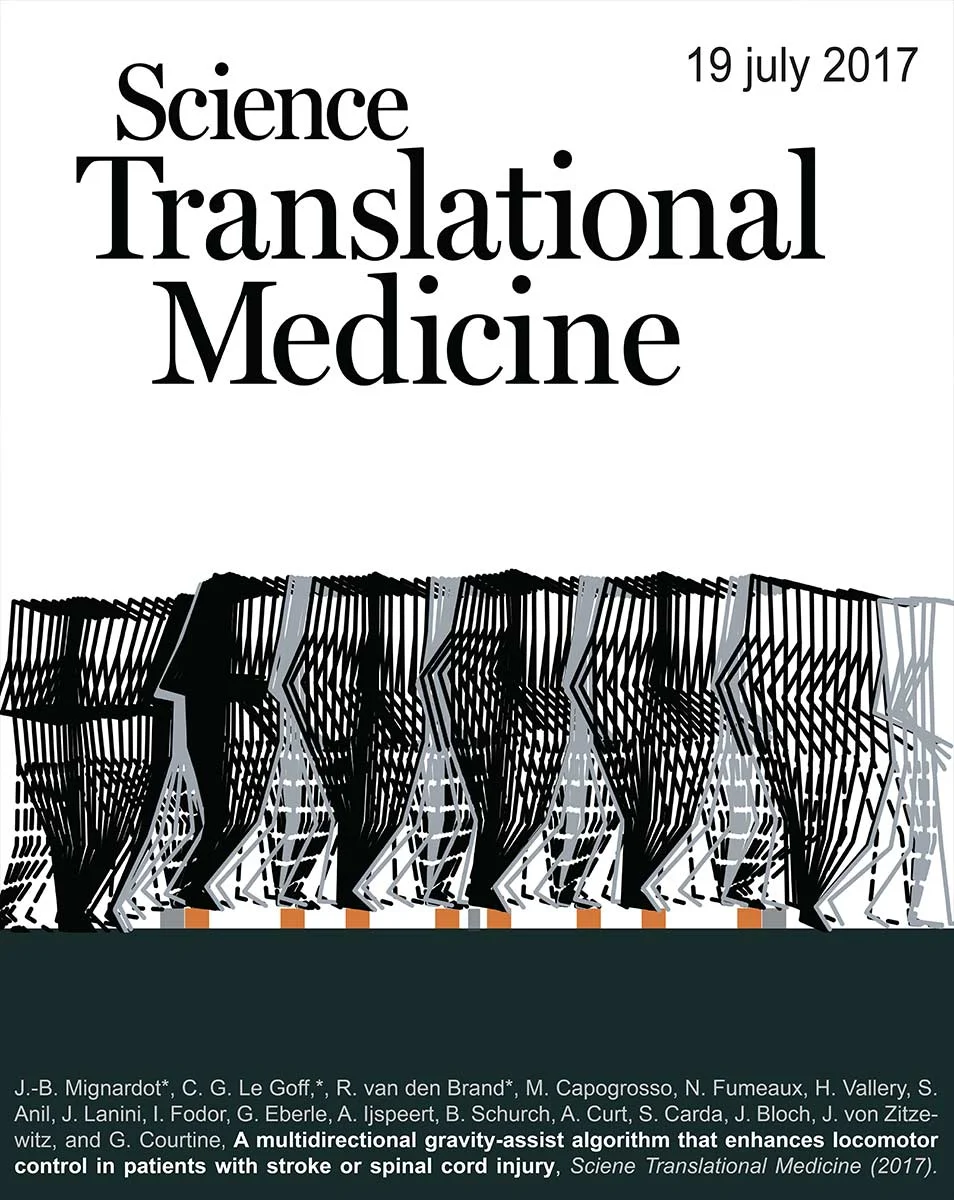
A gravity-assist algorithm enhances locomotor control after stroke or spinal cord injury — Science Translational Medicine.

Cortex

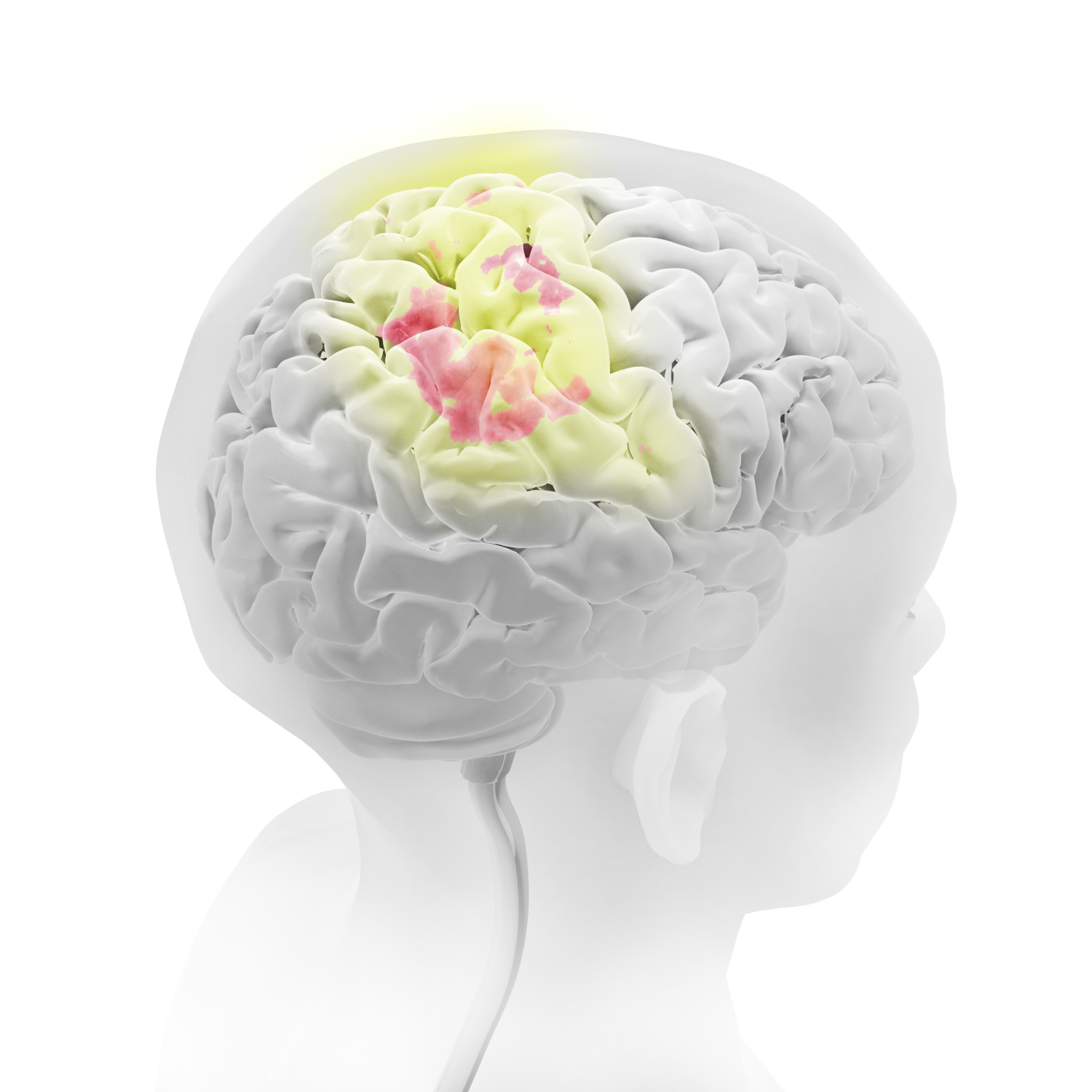
Electrophysiological recordings track the brain’s evolution after an internal capsule stroke.

Model

A nonhuman primate model of subcortical stroke guides translation.

Illustration of cortical activity after stroke

Research programme

Cortical recovery

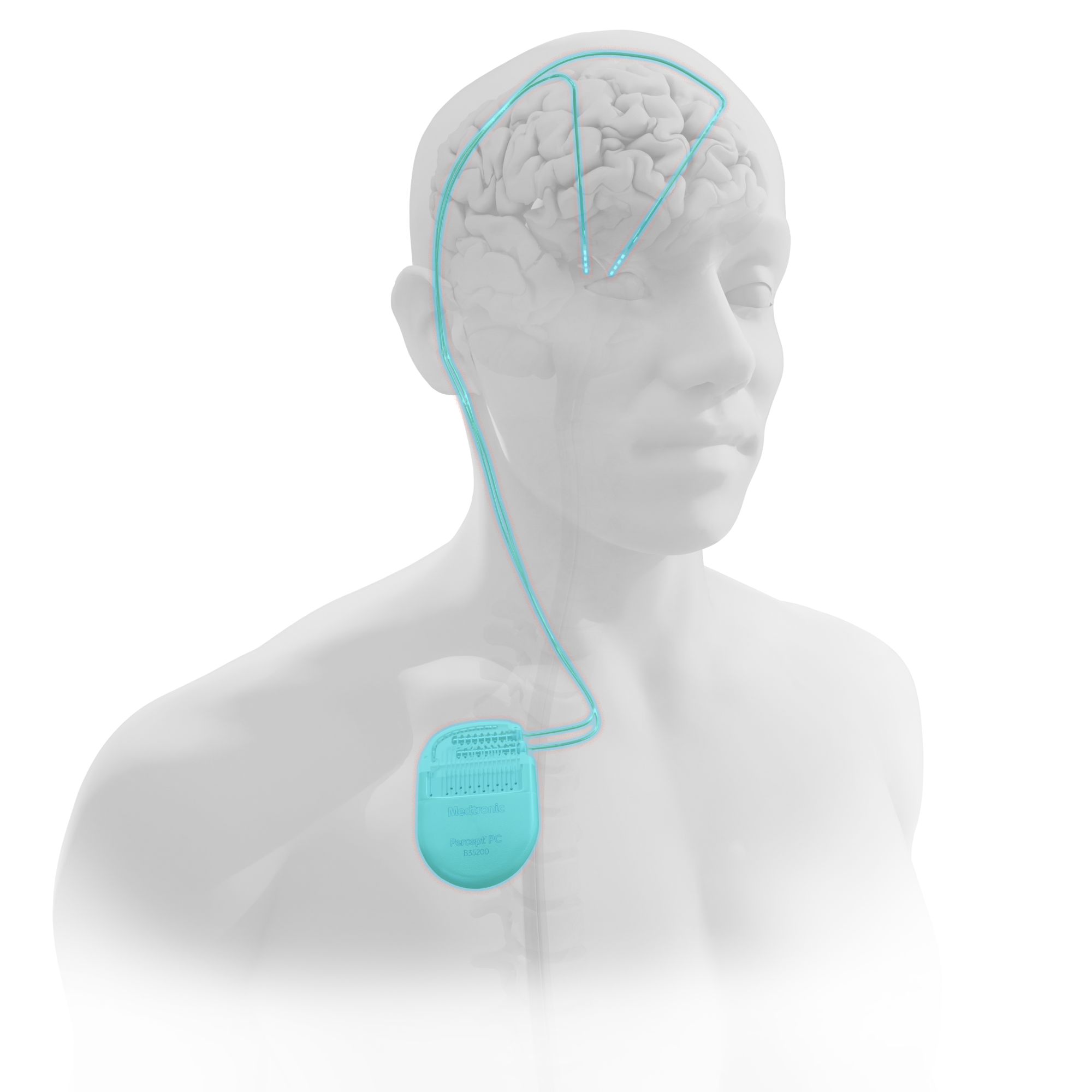
We used cortical recordings to study the electrophysiological evolution of the brain after an internal capsule stroke. We are now developing novel neurotechnological approaches to potentialize motor recovery.

How it works

  1. Cortical recordings after an internal capsule stroke
  2. Follow the electrophysiological evolution of the brain
  3. Develop neurotechnologies to potentialize motor recovery
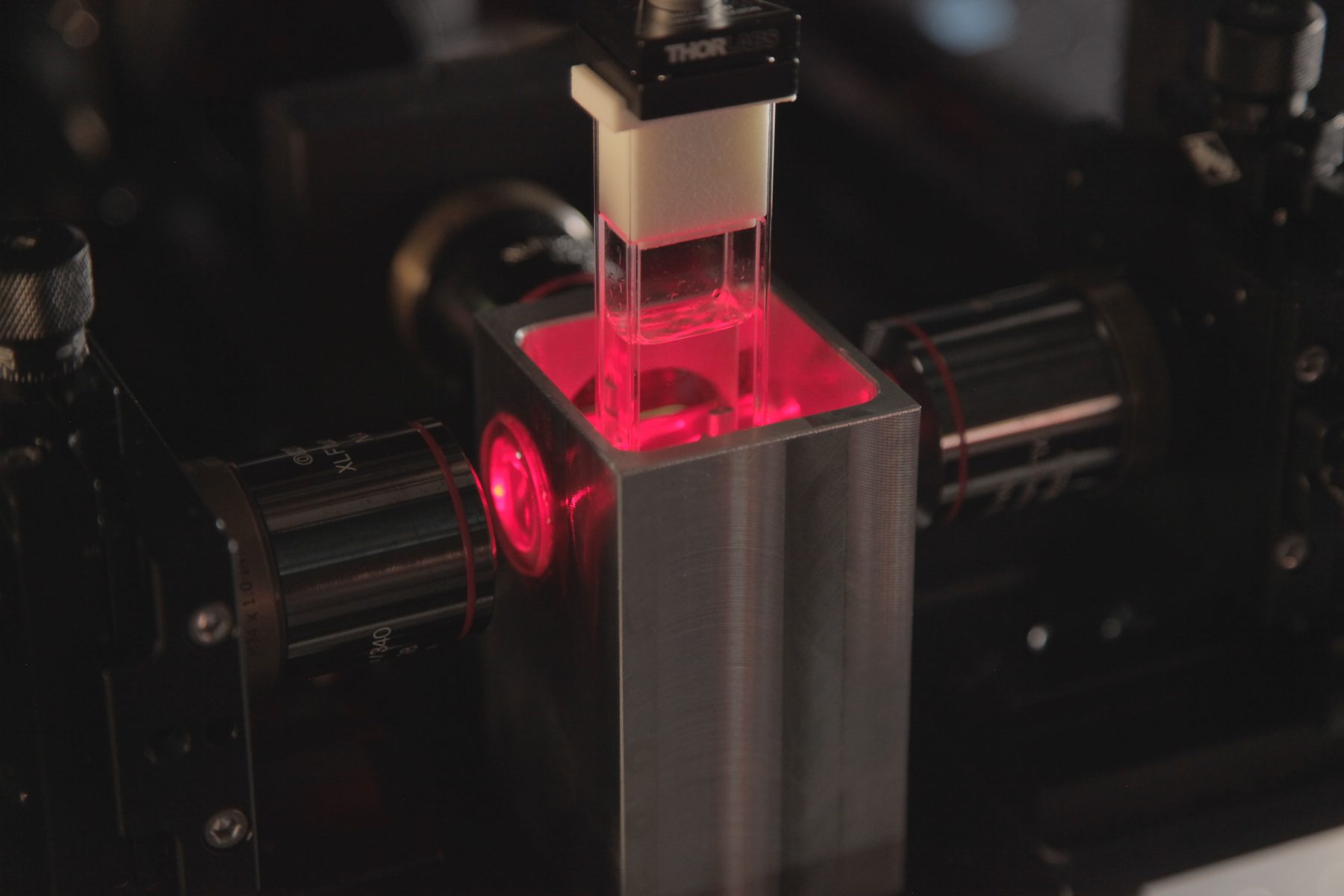
Laboratory imaging setup

Preclinical model

A primate model
of subcortical stroke

The programme includes a nonhuman primate model of subcortical stroke, used to study the injury before new approaches reach patients.

How it works

  1. A model of subcortical stroke
  2. Studied preclinically, ahead of clinical translation

Evidence

Related publications

Every result behind this programme was peer-reviewed before it reached this page.

Conference contributions

  • Nonhuman primate model of subcortical stroke.

Clinical trials

Join our waiting list

Register as a candidate to be contacted if you are eligible for one of our ongoing or upcoming studies.