
Mission
Science that walks
into the clinic.
.NeuroRestore is a research, innovation and treatment center that develops and applies bioengineering strategies involving neurosurgical interventions to restore neurological functions.
Who we are
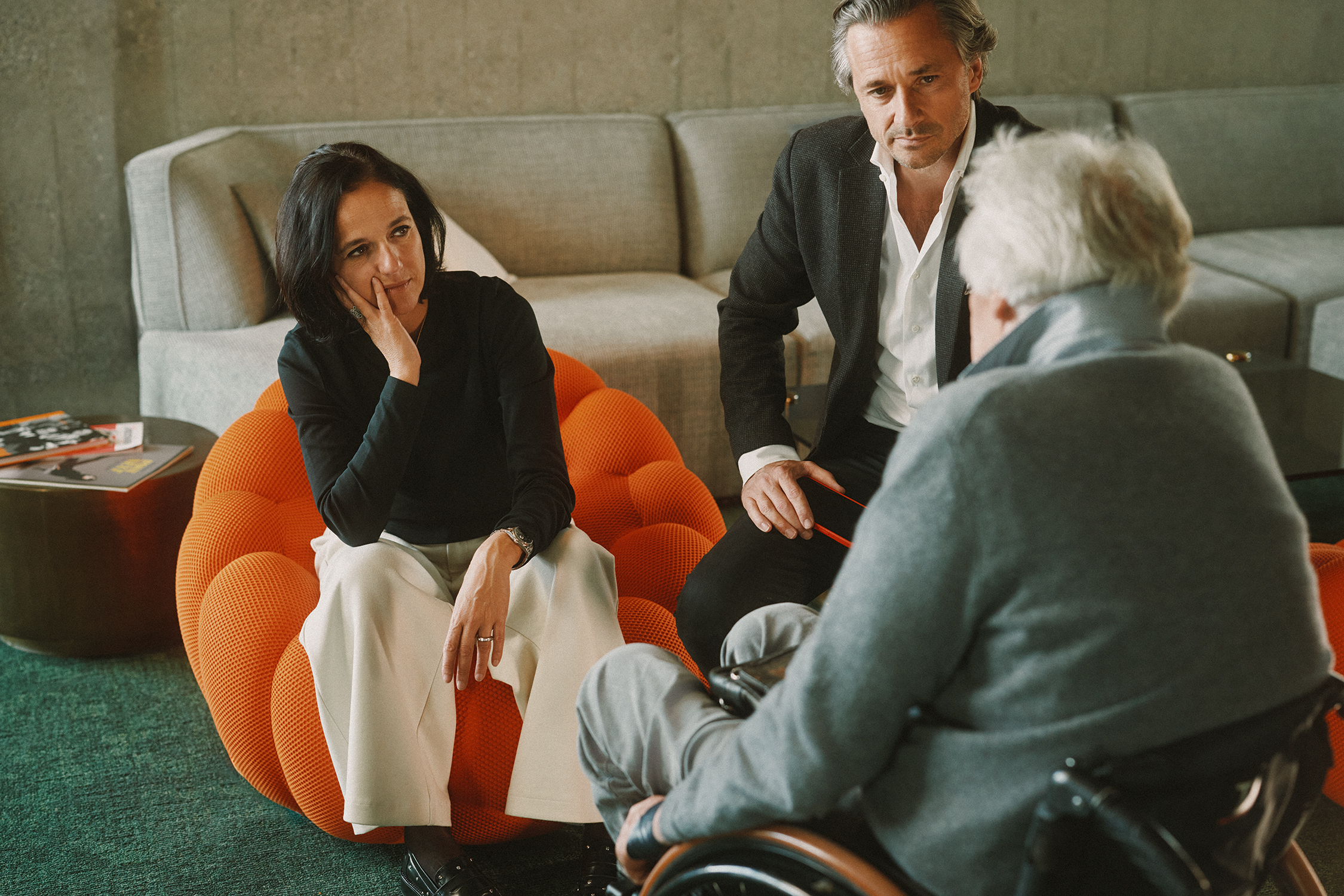
A clinical center jointly operated by EPFL, CHUV and UNIL.
We sit at the interface of fundamental neuroscience, implantable neurotechnology and early clinical translation. From the first experiment in the laboratory to the patient in the operating room, our teams design therapies that restore movement, balance and autonomy after neurological injury.
The center is co-directed by Prof. Grégoire Courtine (EPFL) and Prof. Jocelyne Bloch (CHUV / UNIL), and builds on more than fifteen years of preclinical work in rodent and non-human primate models.
Objectives
From rigorous preclinical studies to breakthrough treatments.
NeuroRestore integrates implantable neurotechnologies and innovative treatments resulting from rigorous preclinical studies conducted over the last fifteen years. These developments have led to breakthroughs for the treatment of paraplegia, tetraplegia, Parkinson’s disease, stroke and traumatic brain injuries.
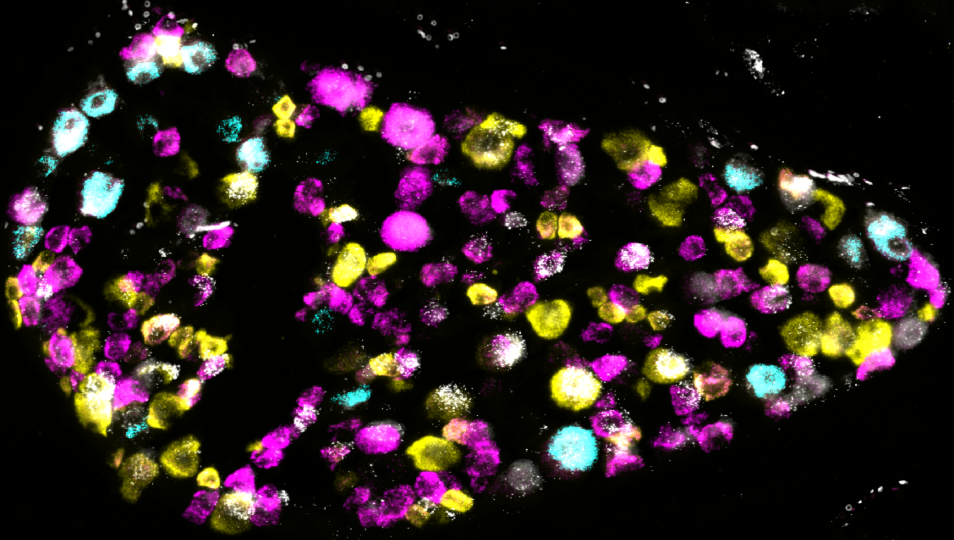
Every technology we bring to the clinic starts in our preclinical laboratories at EPFL. There, we map the neurons that produce movement, design the implants that engage them, and test their safety and precision before any use in humans.
Approach
Three research areas. One translational pipeline.
Our programmes focus on spinal cord injury, Parkinson’s disease and stroke. Across these conditions, we combine targeted epidural spinal stimulation, brain–spine interfaces, robotics-assisted rehabilitation and closed-loop neuromodulation.
Spinal cord
injury
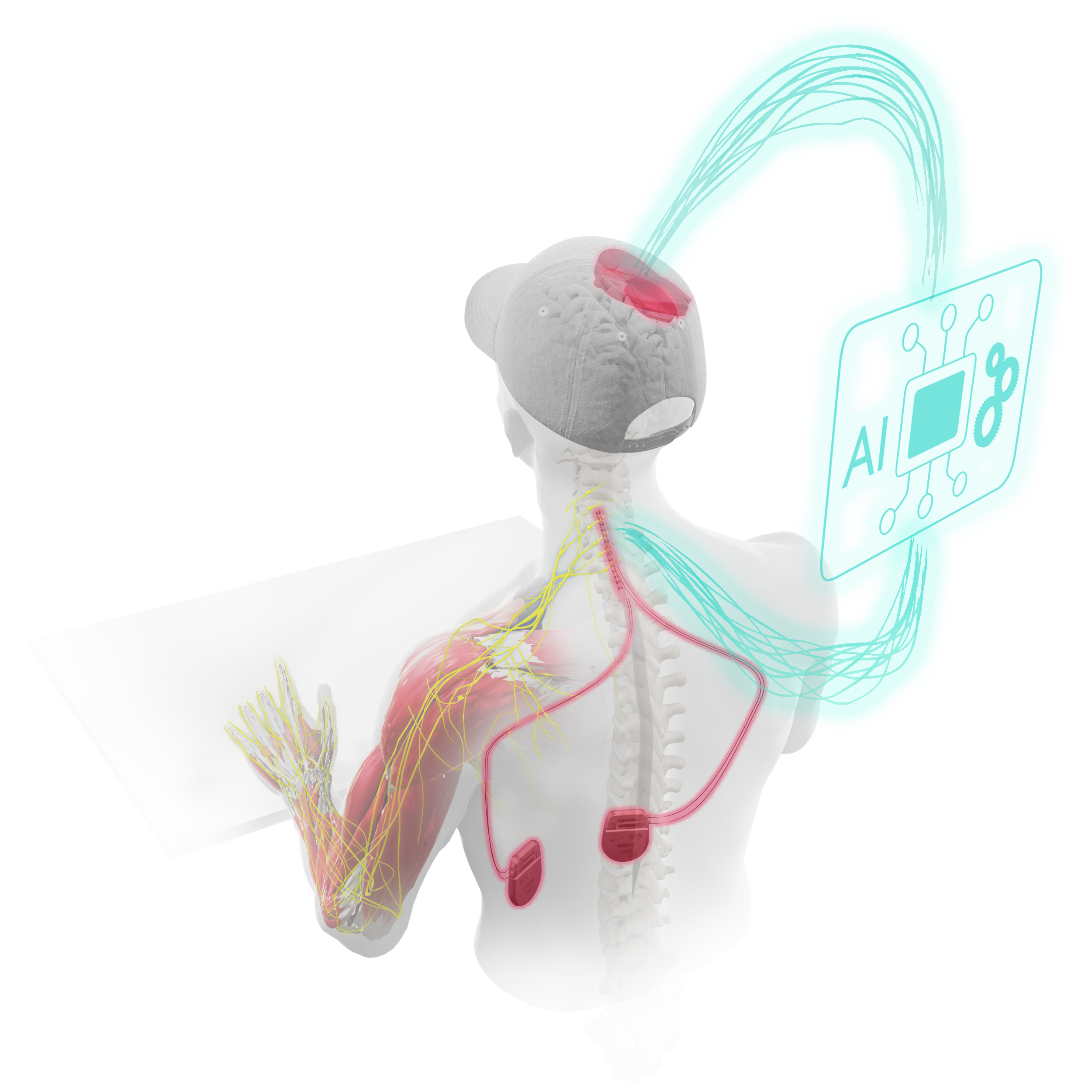
Targeted epidural stimulation reactivates the spinal cord below the injury and amplifies the commands still coming from the brain.
Discover the programme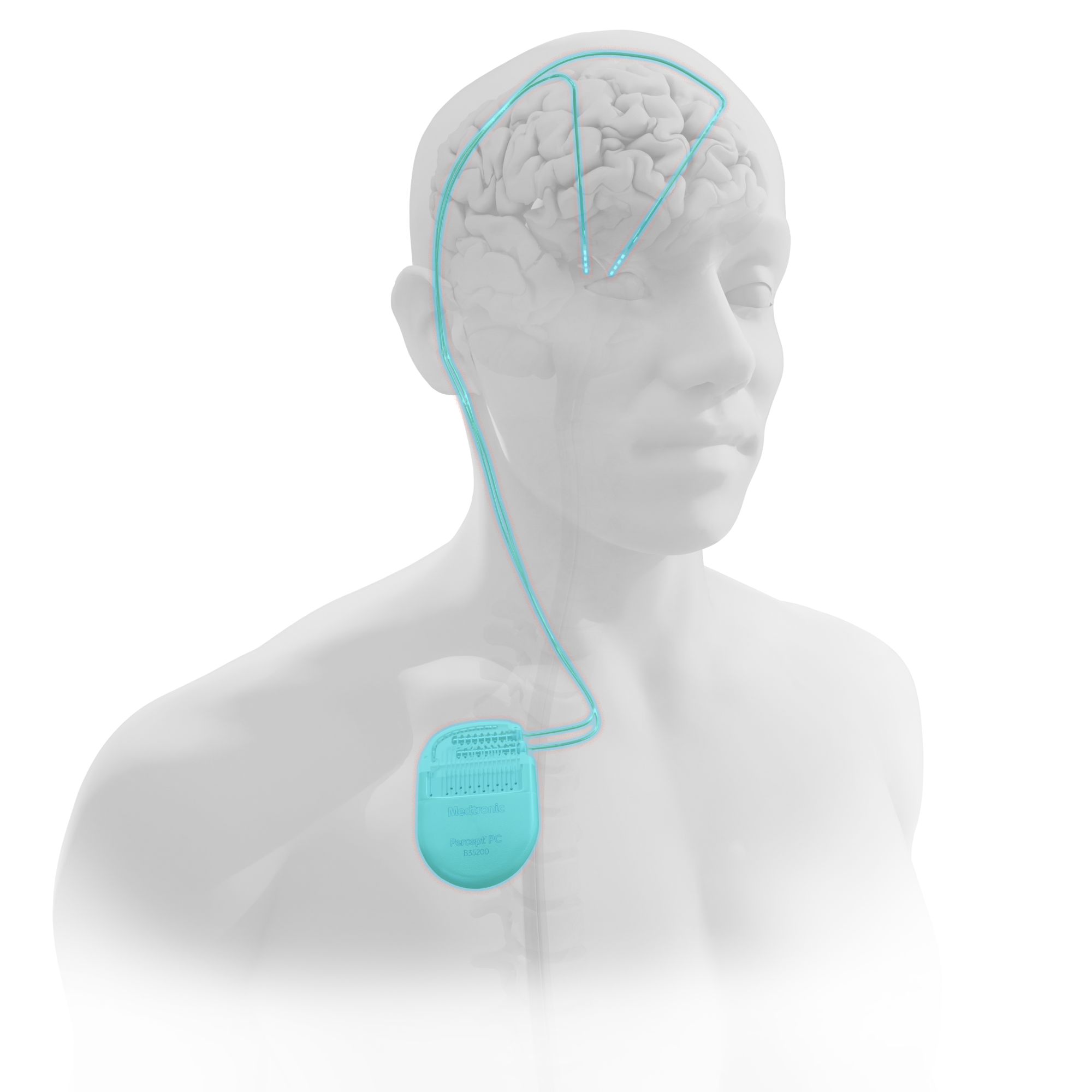
Parkinson’s
disease
We decode brain and spinal dynamics during movement to correct the gait and balance deficits that medication leaves behind.
Discover the programme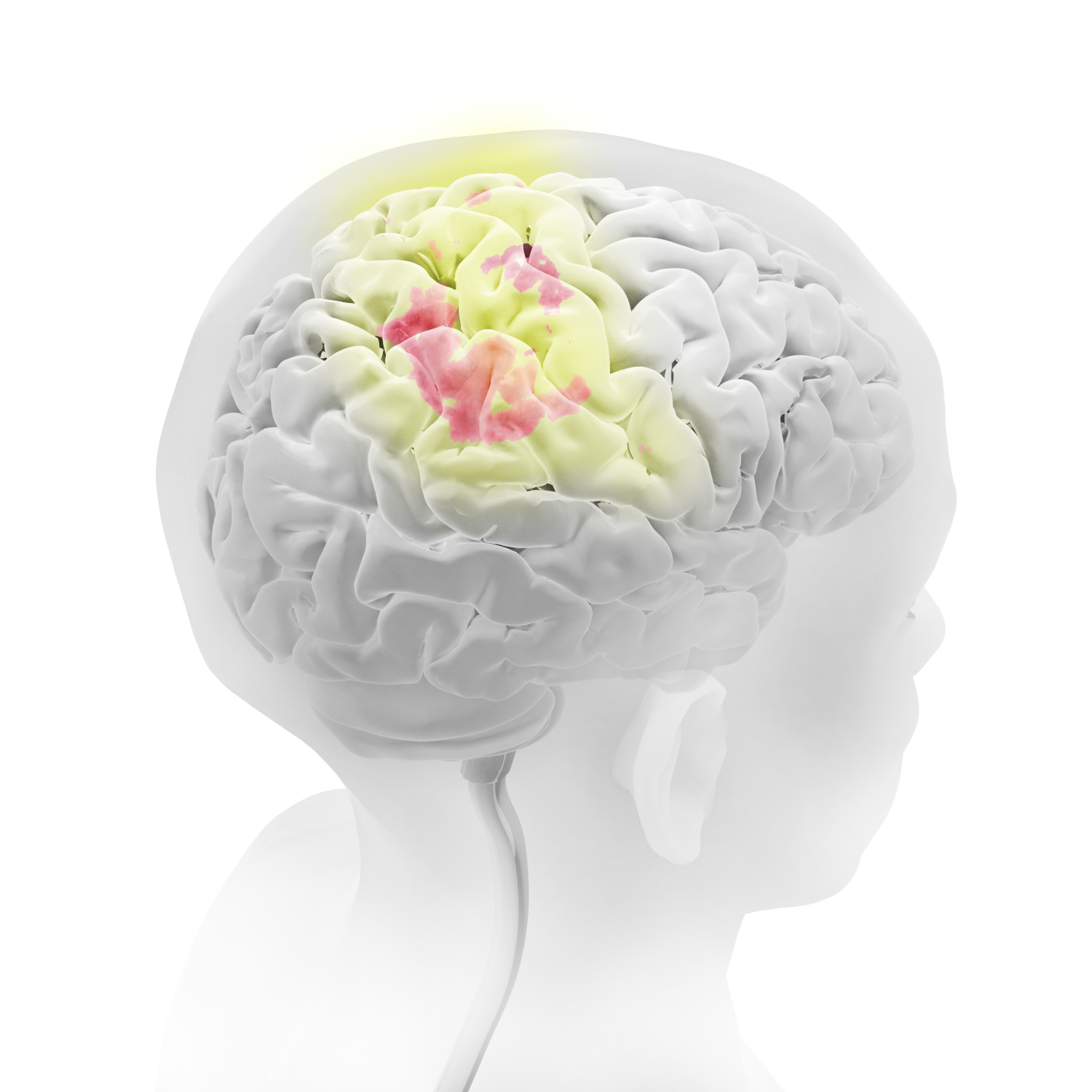
Stroke
Cortical recordings map how the brain reorganises after a subcortical stroke, and guide the neurotechnology that follows.
Discover the programme