01
Spinal cord
injury
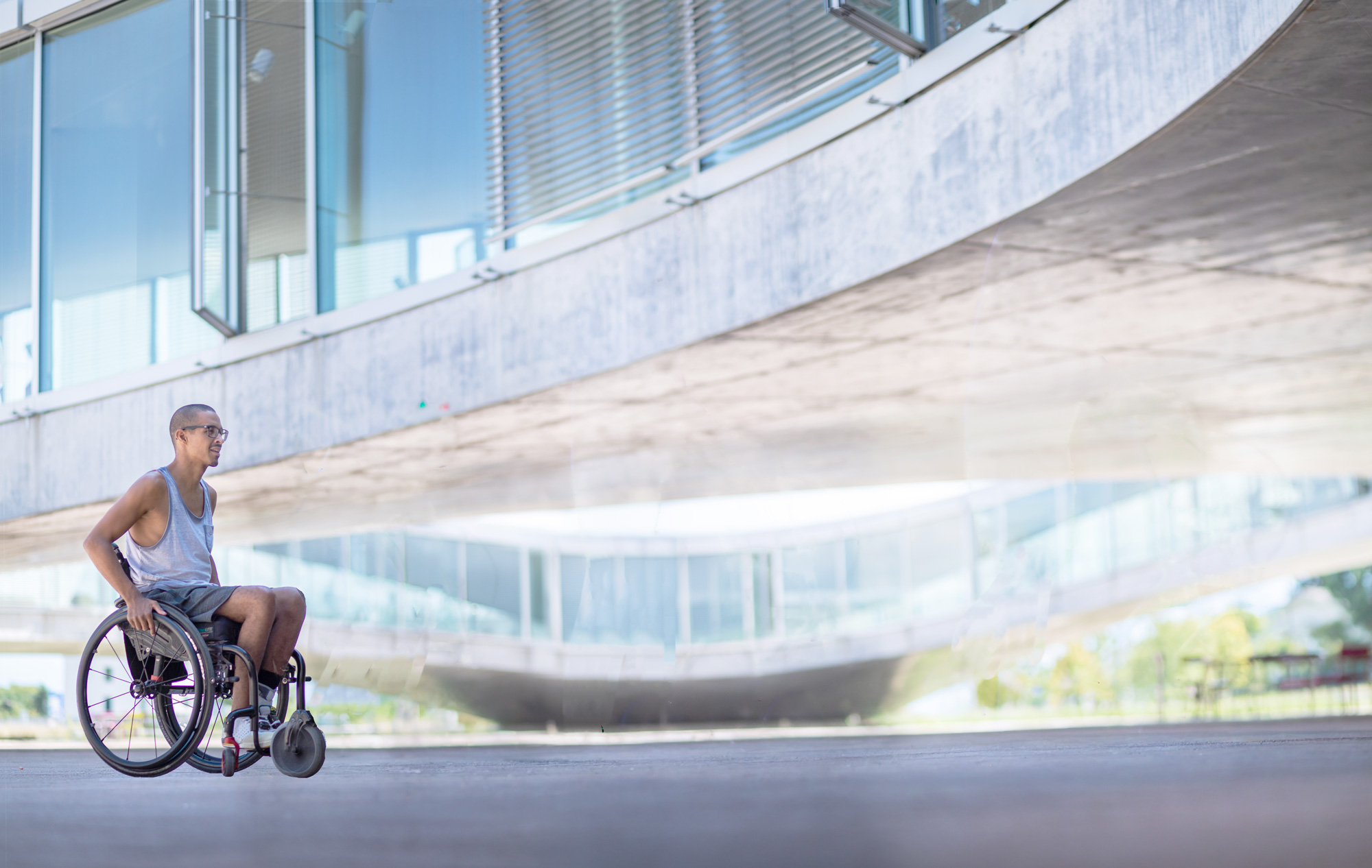
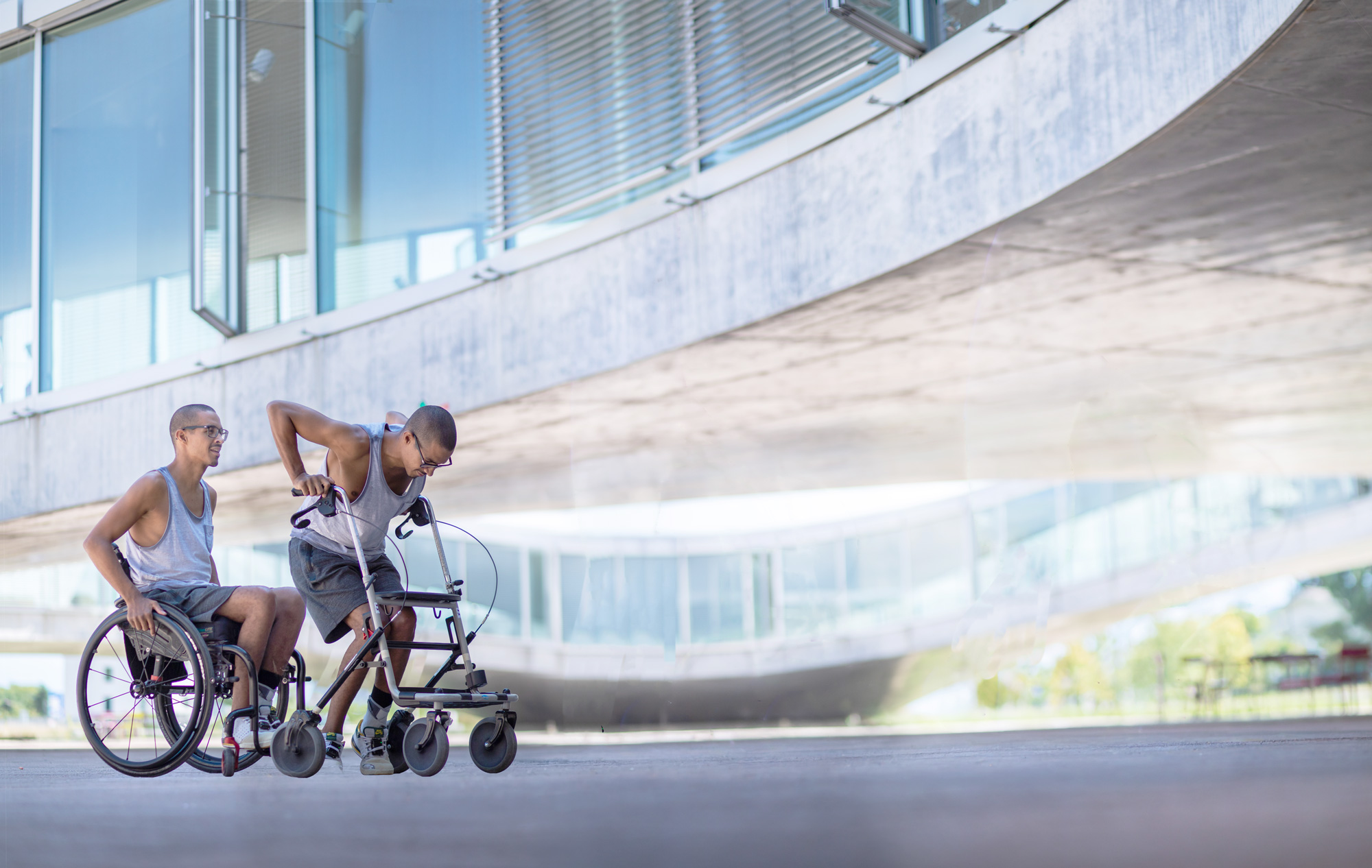
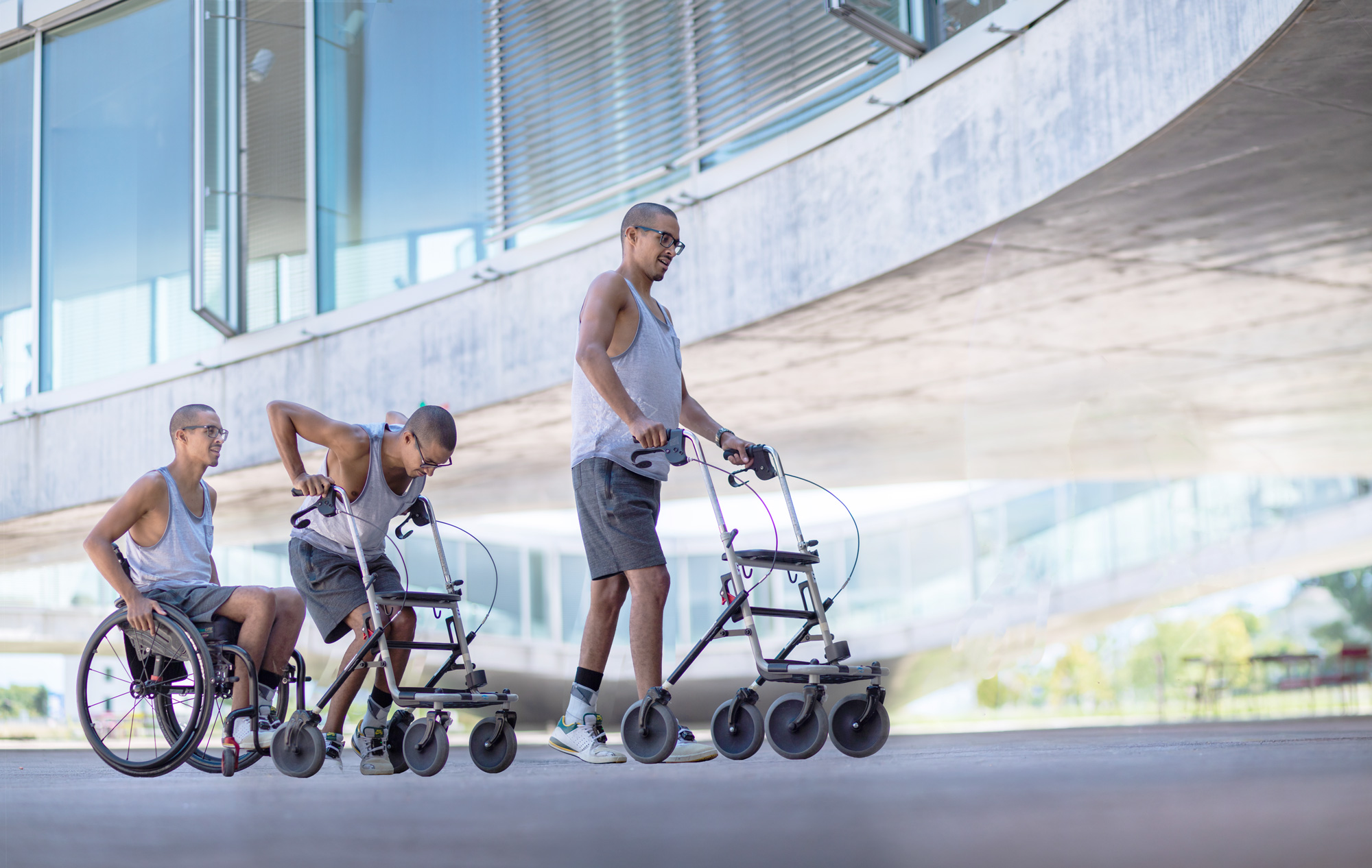
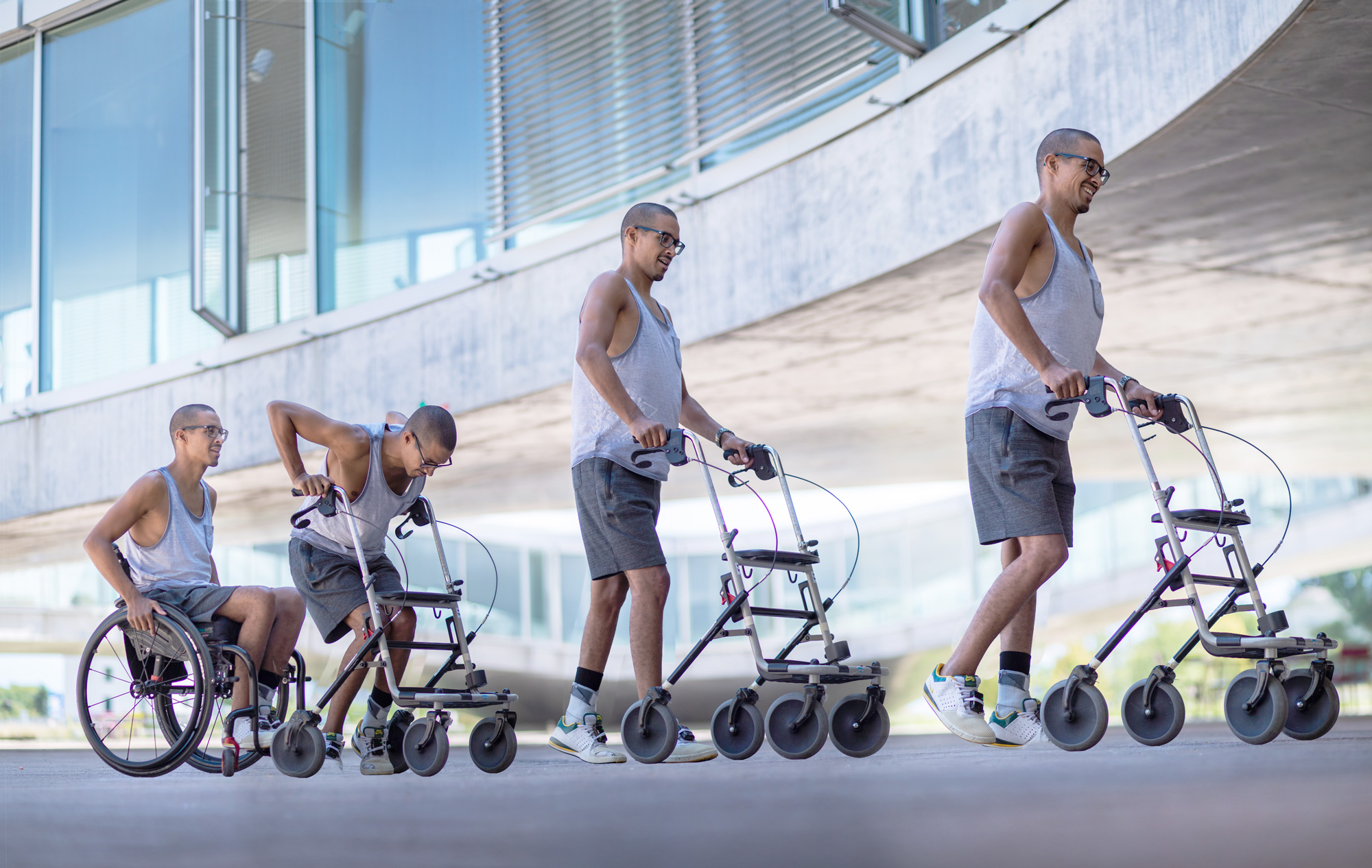
Targeted epidural stimulation reactivates the spinal cord below the injury and amplifies the commands still coming from the brain.
.NeuroRestore is a clinical treatment and research center, jointly operated by EPFL, CHUV and UNIL. We develop and translate neurotechnologies into clinical therapies. From the first experiment to the patient.
We integrate implantable neurotechnologies and innovative treatments resulting from rigorous preclinical studies that have been conducted during the last 20 years in rodent and non-human primate models. These developments have led to breakthroughs for the treatment of paraplegia, tetraplegia, Parkinson’s disease, stroke, and traumatic brain injuries.
Key partners



Our research areas
01
Targeted epidural stimulation reactivates the spinal cord below the injury and amplifies the commands still coming from the brain.
02
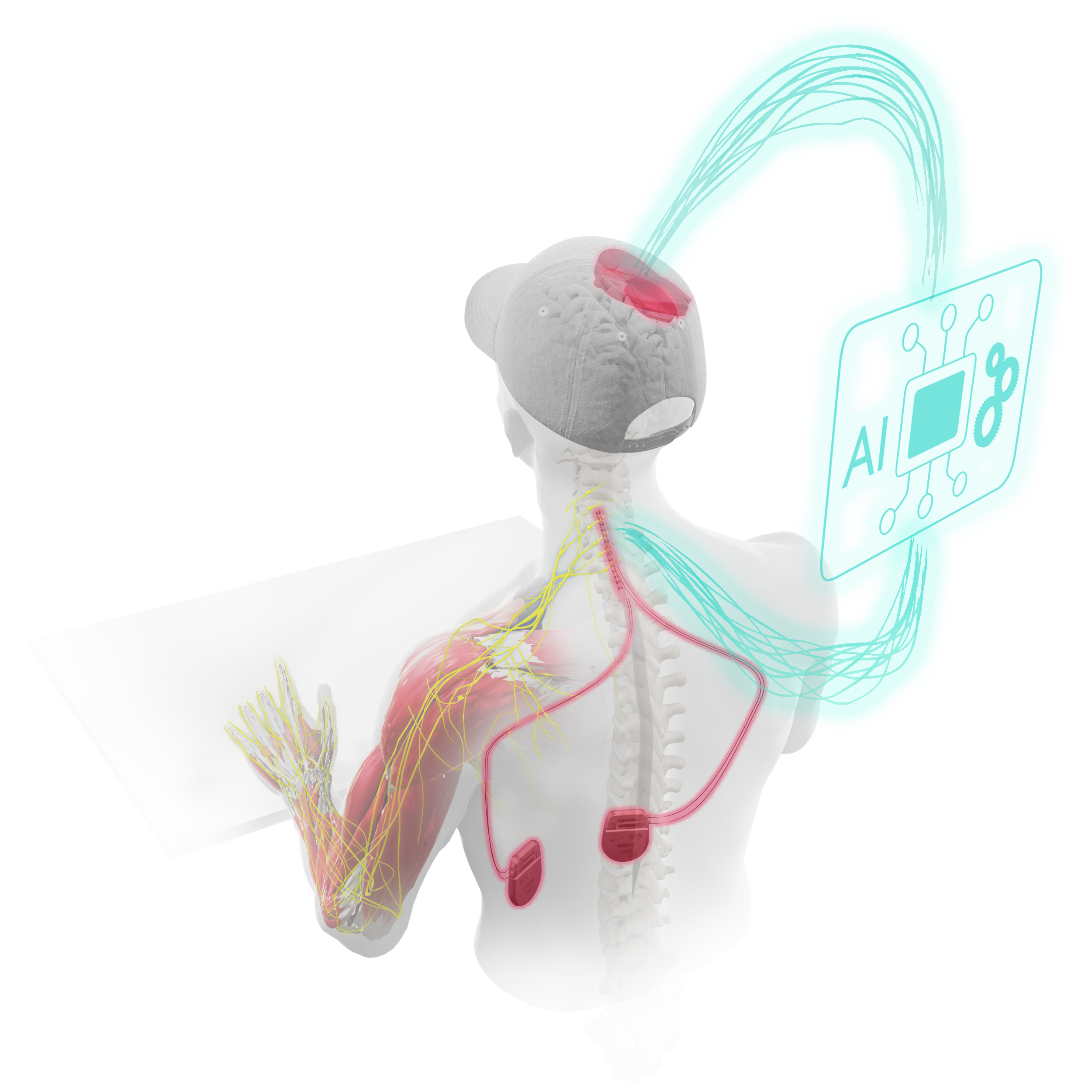
We decode brain and spinal dynamics during movement to correct the gait and balance deficits that medication leaves behind.
03
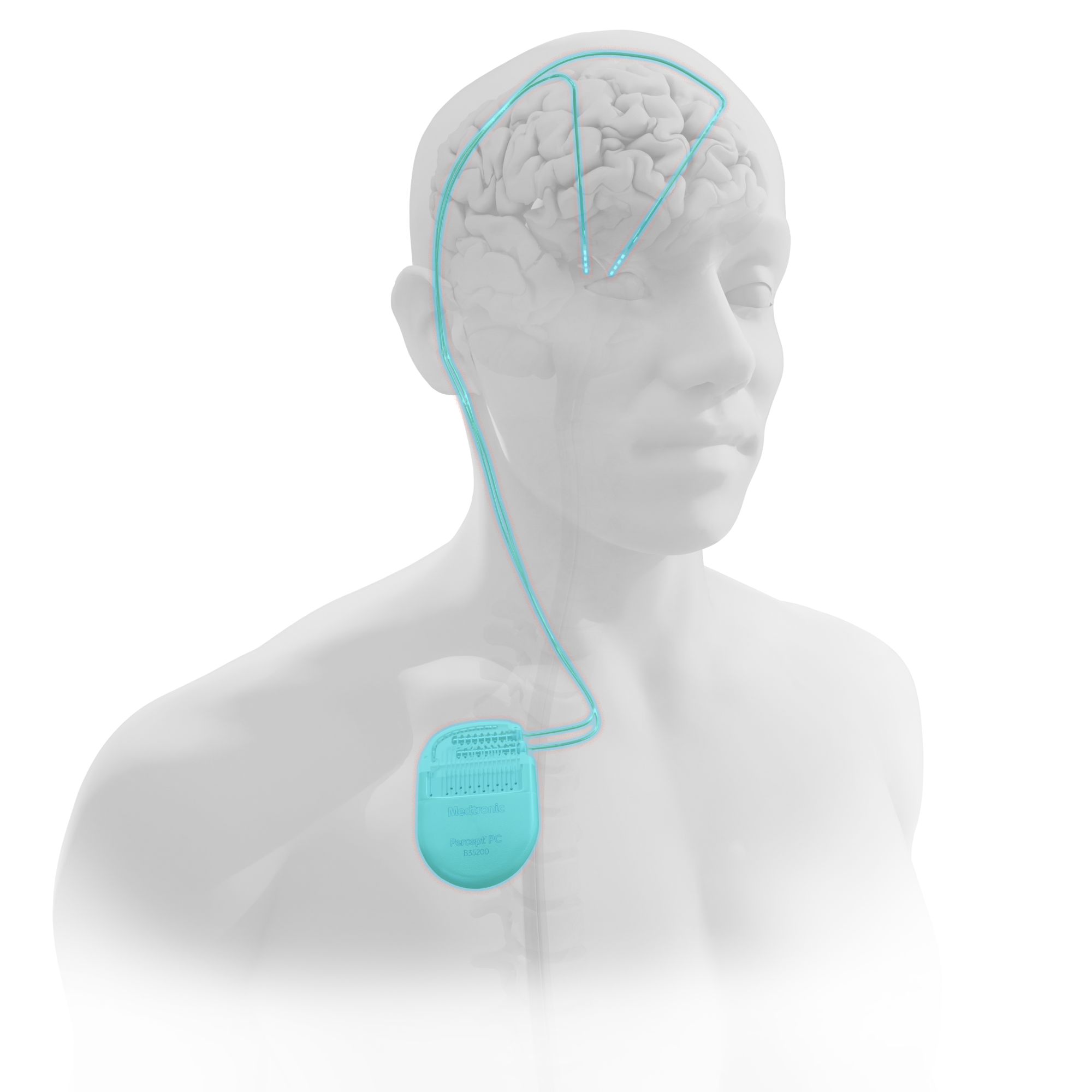
Cortical recordings map how the brain reorganises after a subcortical stroke, and guide the neurotechnology that follows.
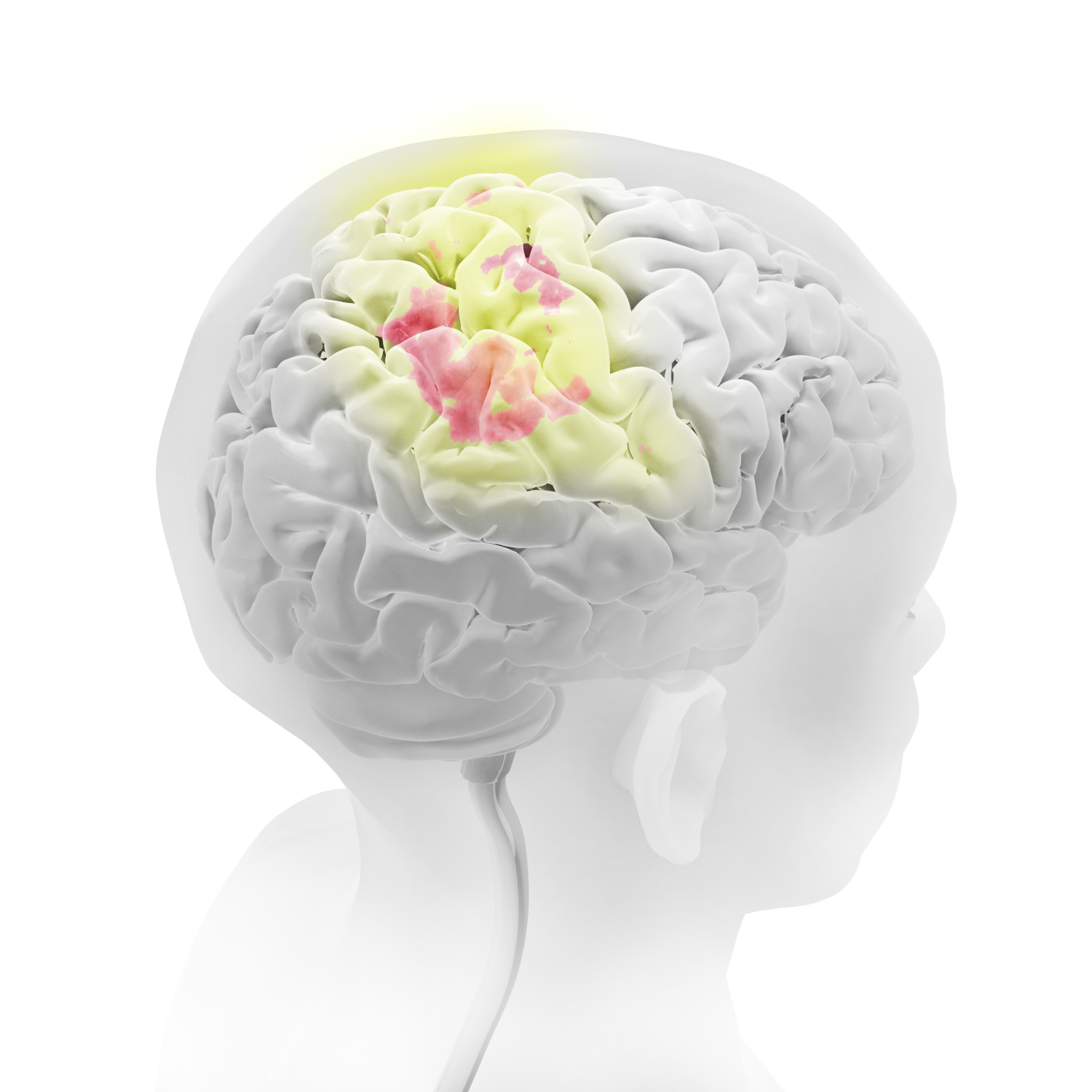
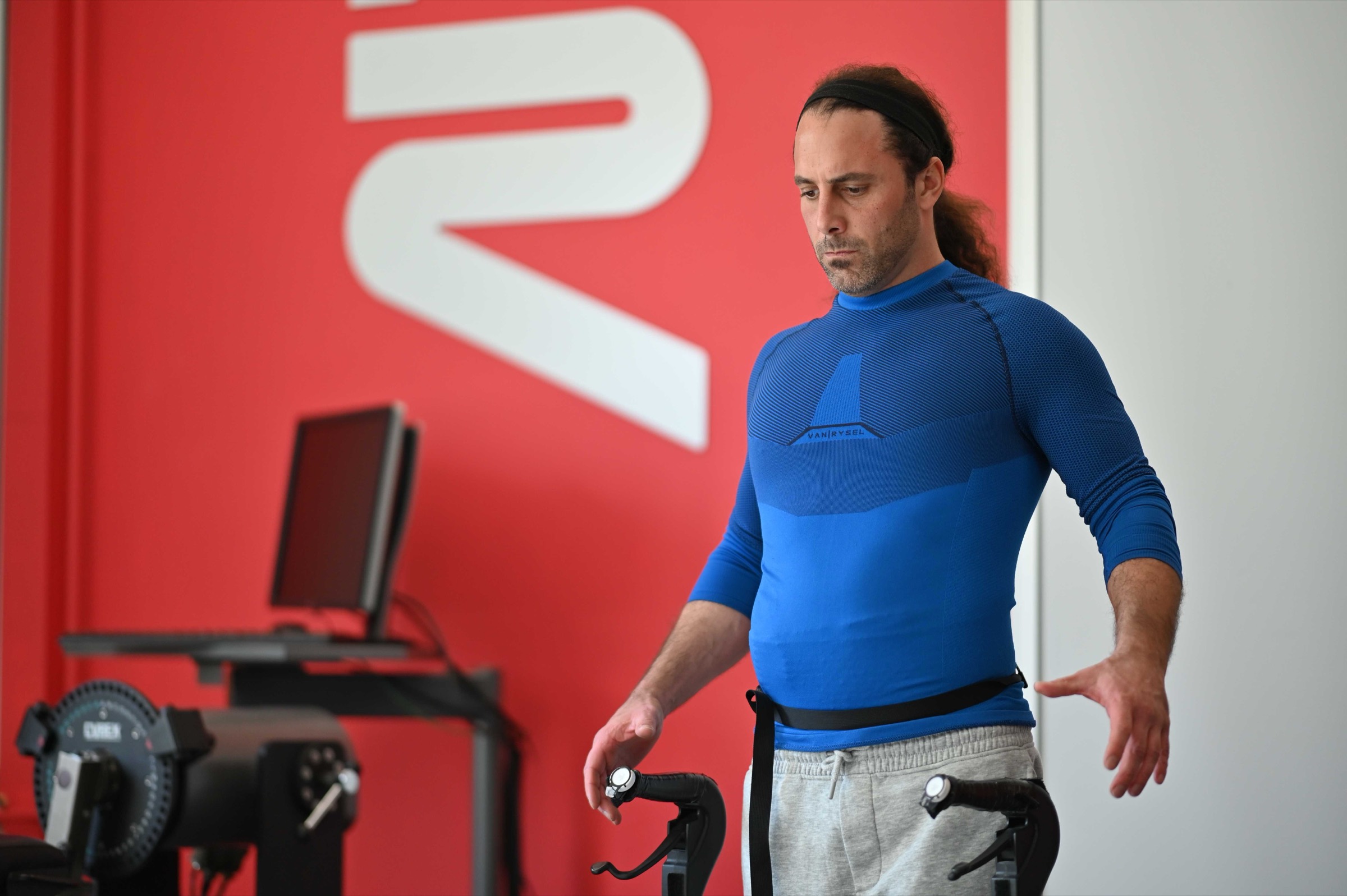
For paraplegia, tetraplegia, Parkinson's disease, stroke and traumatic brain injury.
Patients enrolled in clinical studies
Peer-reviewed publications
Years of translational research
International distinctions
Video unavailable. Place media/3D_BSI-2_Anim_Black_BG.mp4 next to this file.
Rigorous preclinical studies
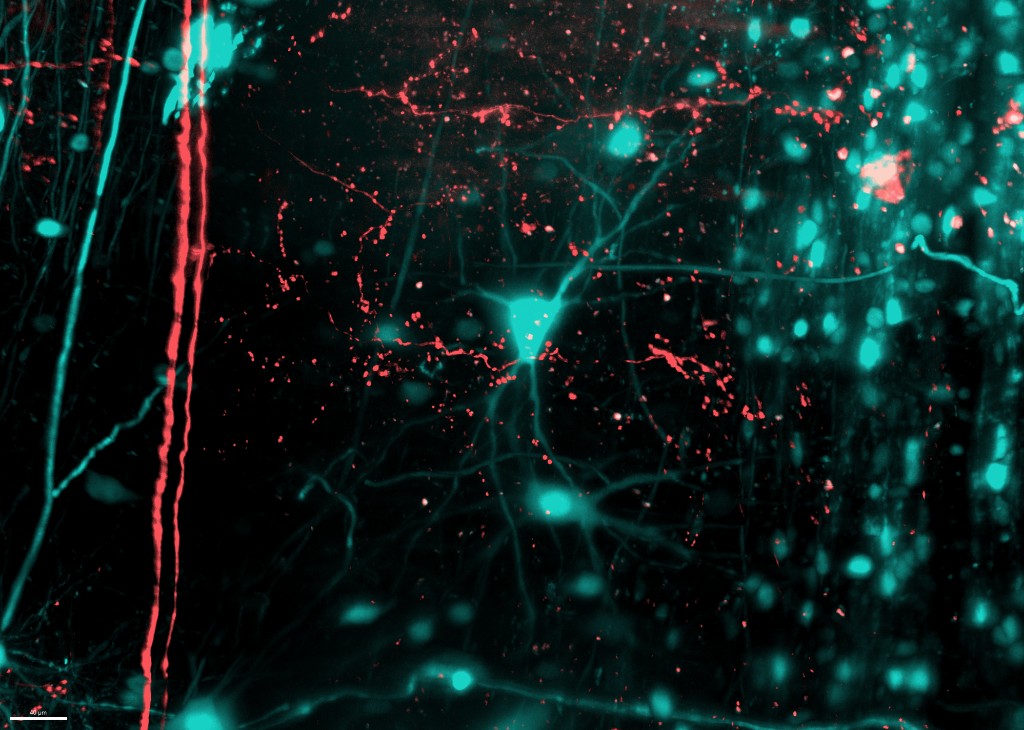
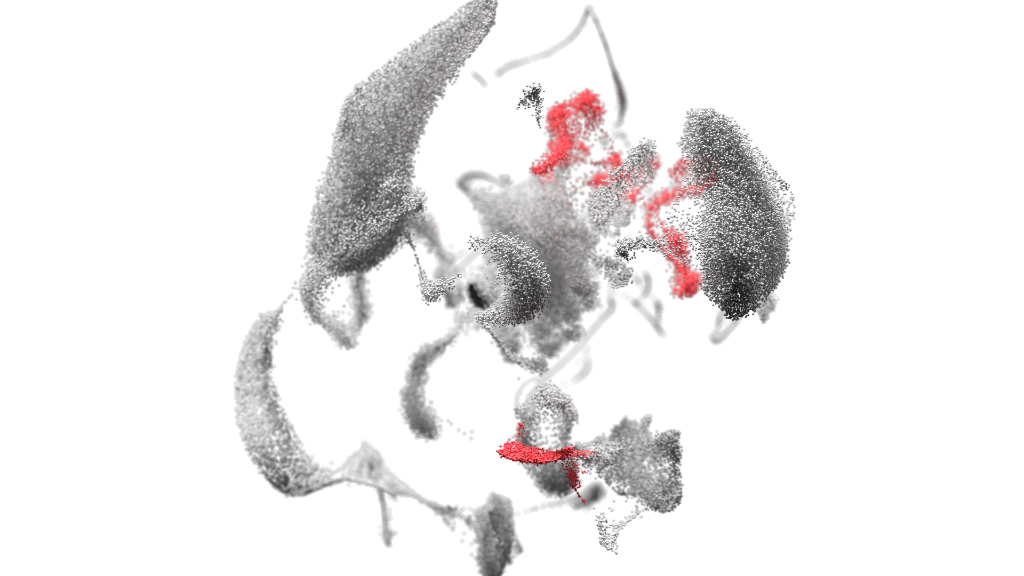
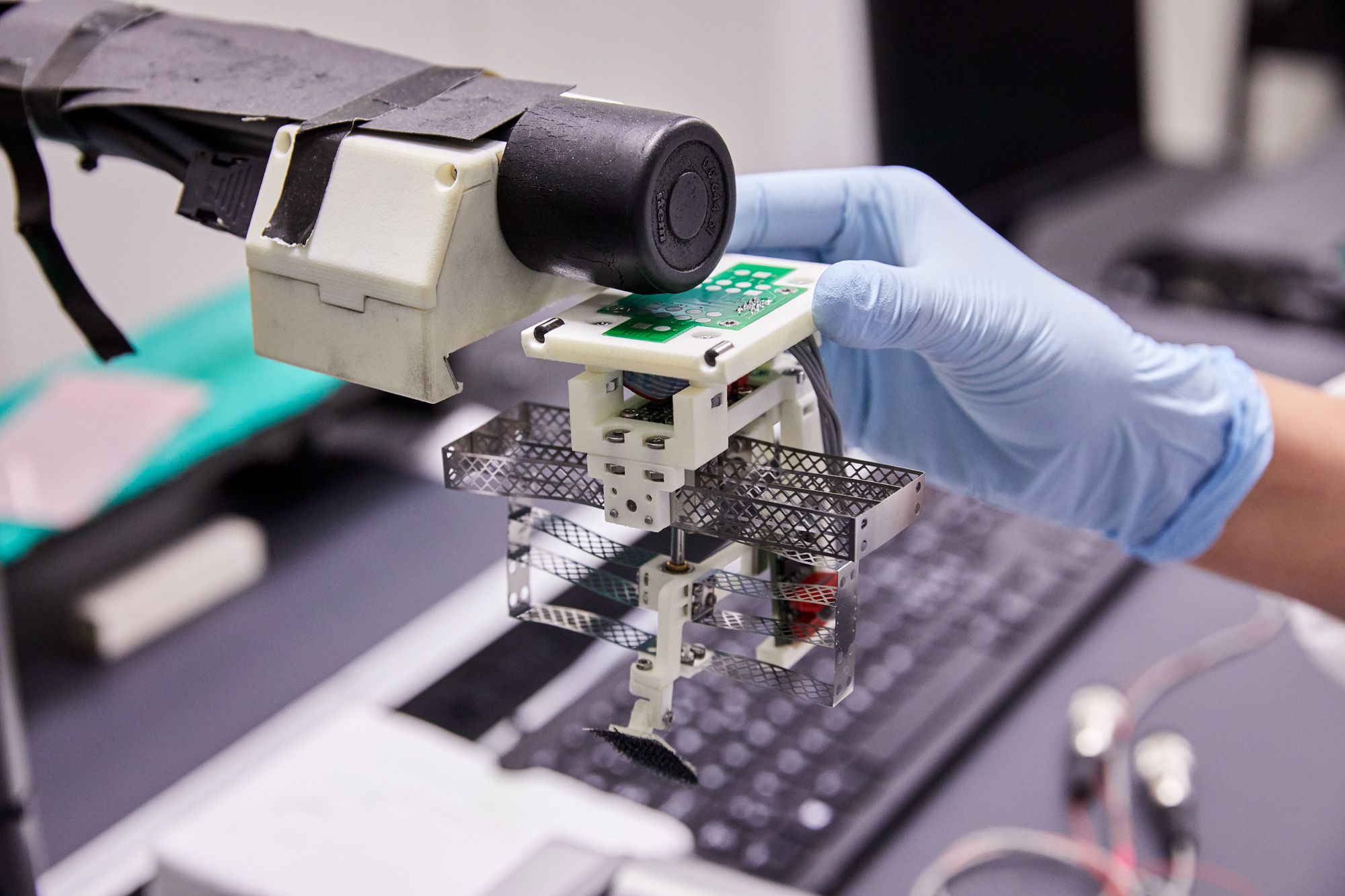
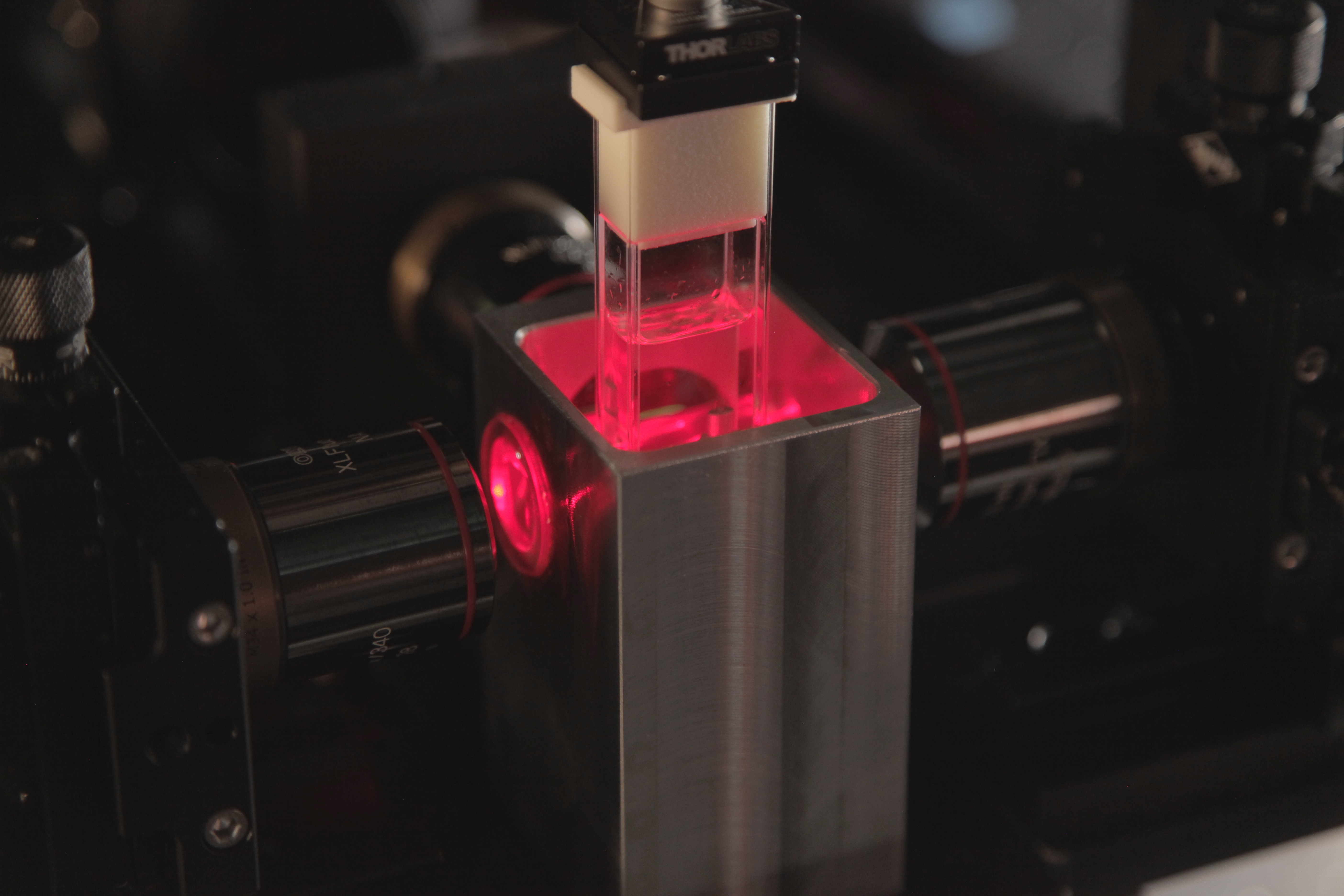
Every technology we bring to the clinic starts in our preclinical laboratories at EPFL. There, we map the neurons that produce movement, design the implants that engage them, and test their safety and precision before any use in humans. Our tools range from single-cell atlases of the spinal cord to soft implantable electrodes and computational models of the nervous system.
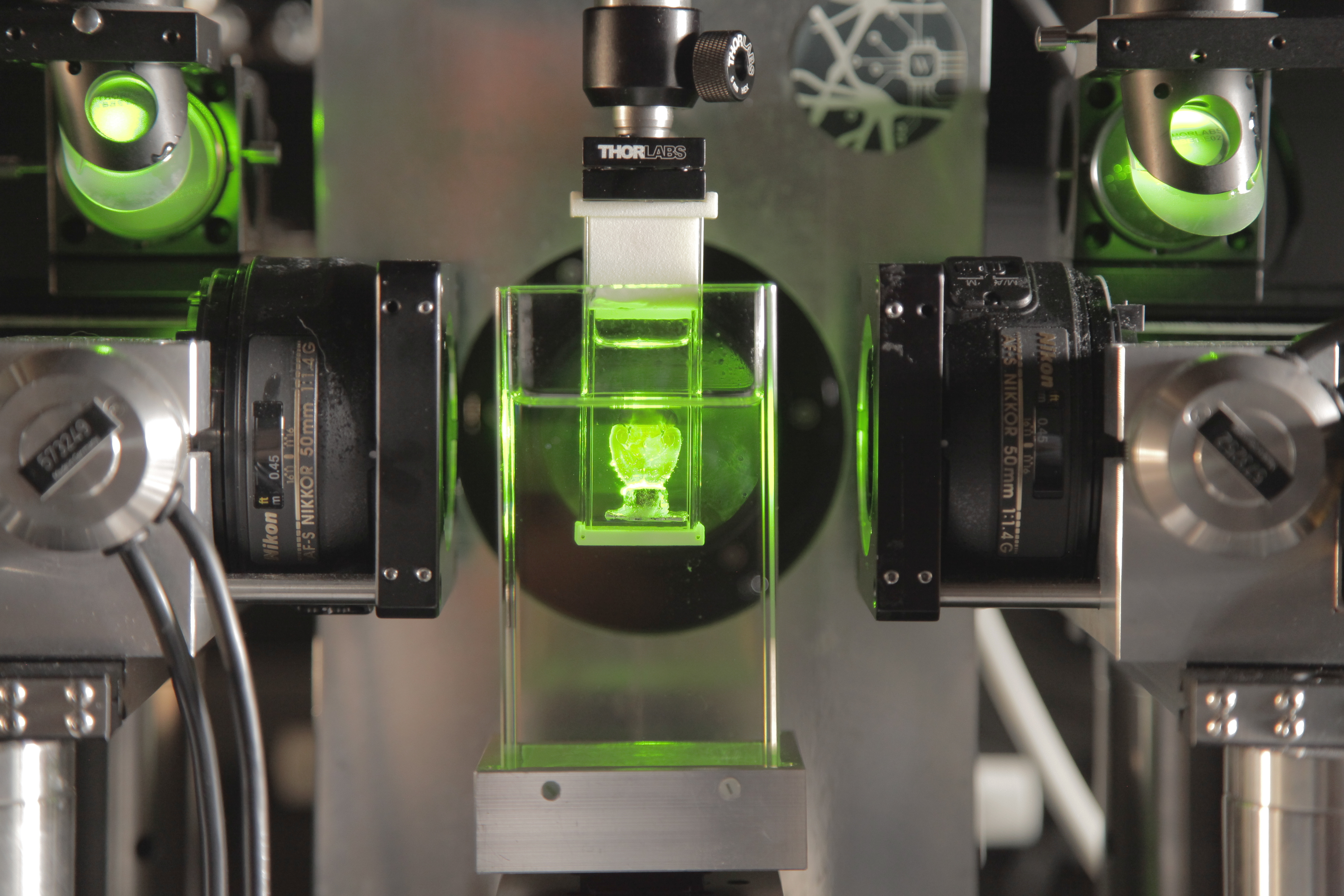
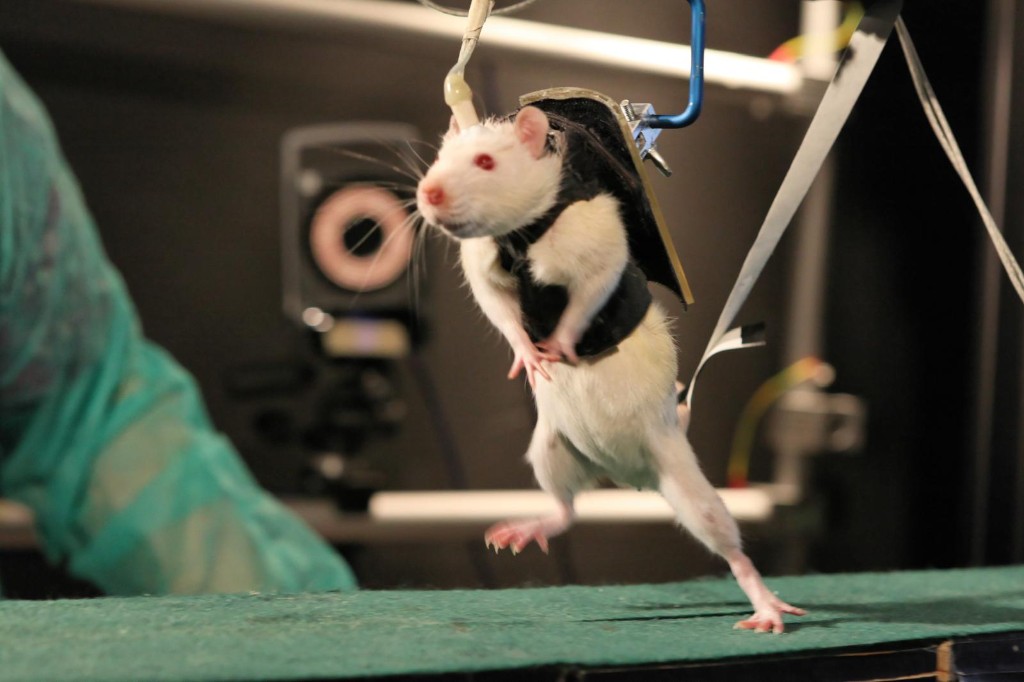
Every result below was published in a peer-reviewed journal before it reached this page.
Around 20 million people worldwide have a spinal cord injury, which has a major impact on their quality of life. By disrupting electrical signals from the brain to the rest of the body, they can cause partial or complete paralysis.
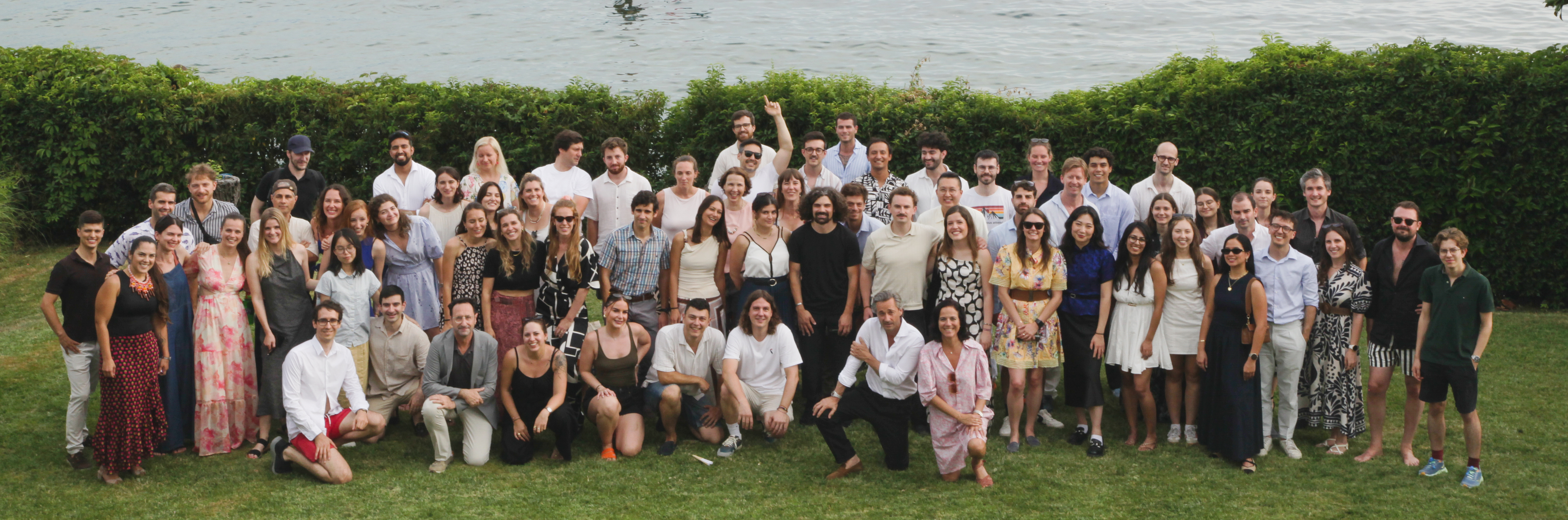
Neuroscientists, neurosurgeons, engineers and physiotherapists working in the same building, on the same patients.